Eileen Gray: Golden Girls No. 3
–
Eileen Gray (1878–1976), born in Ireland and educated in London and Paris, began her career with Japanese lacquer art and quickly became a sought-after designer. In 1927—as a self-taught designer and defying the conventions of her time—she completed her first house, E.1027, on the French Riviera: a subtle and radically modern interplay of architecture and furniture that redefined flexibility, comfort, and intimacy.
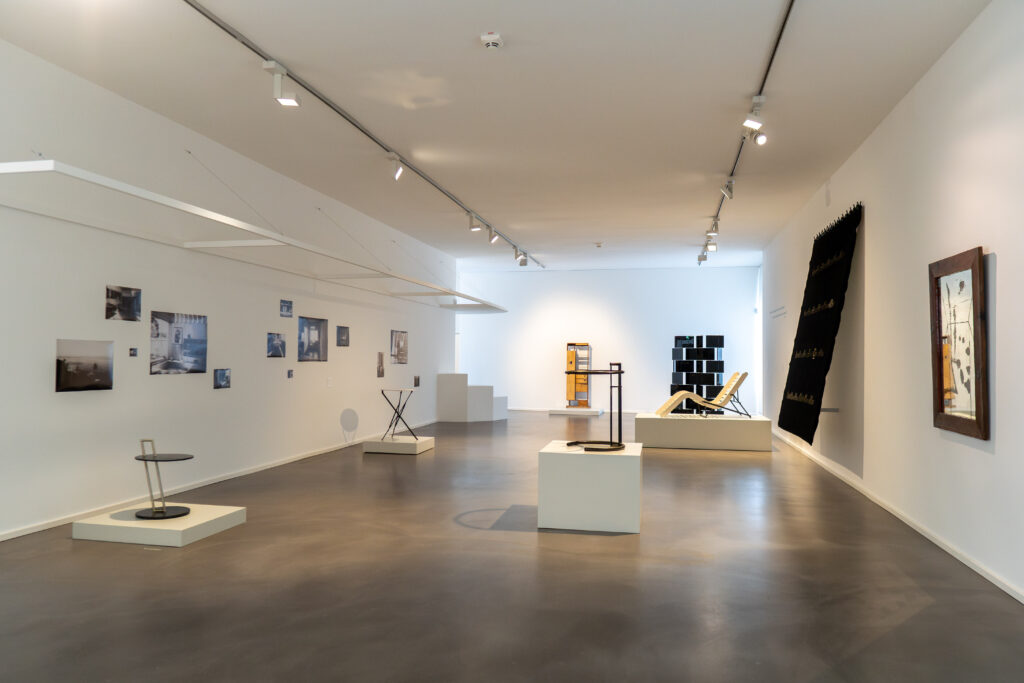
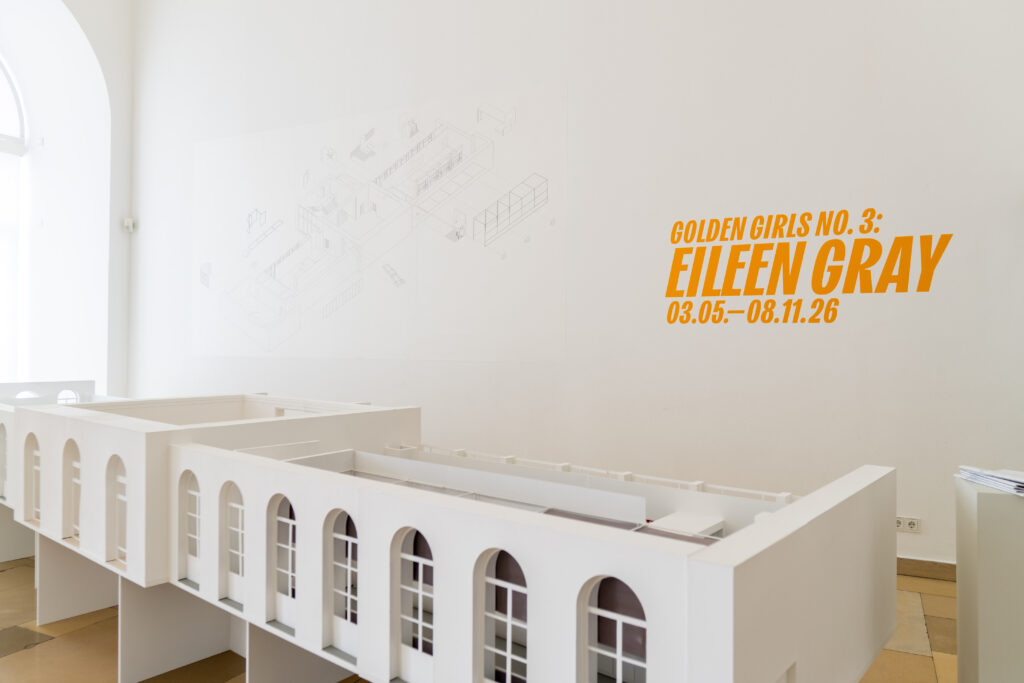
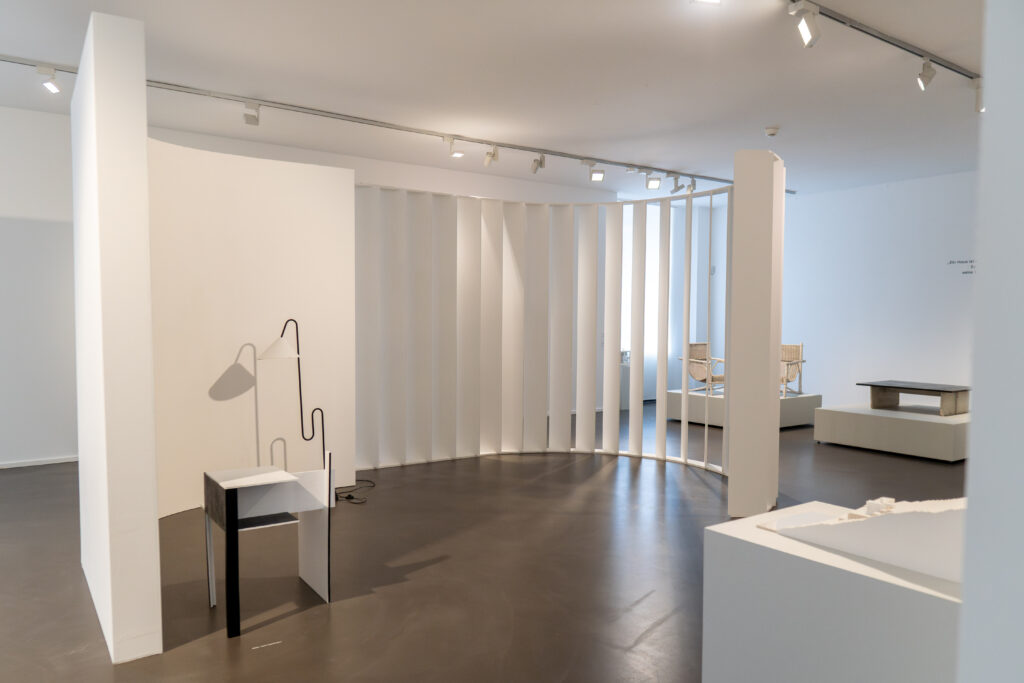
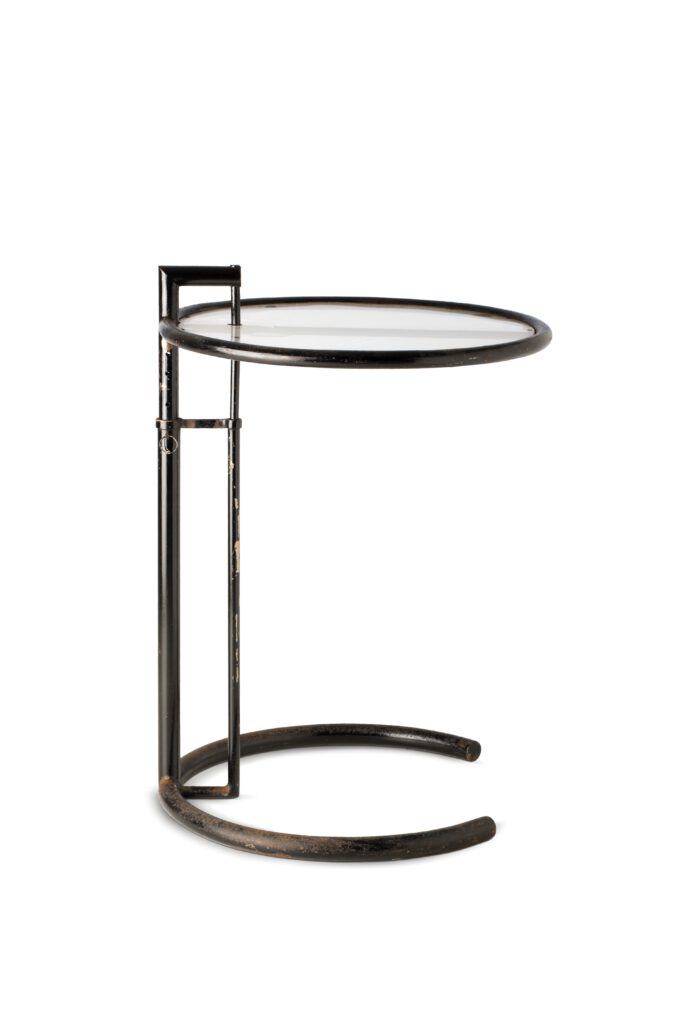
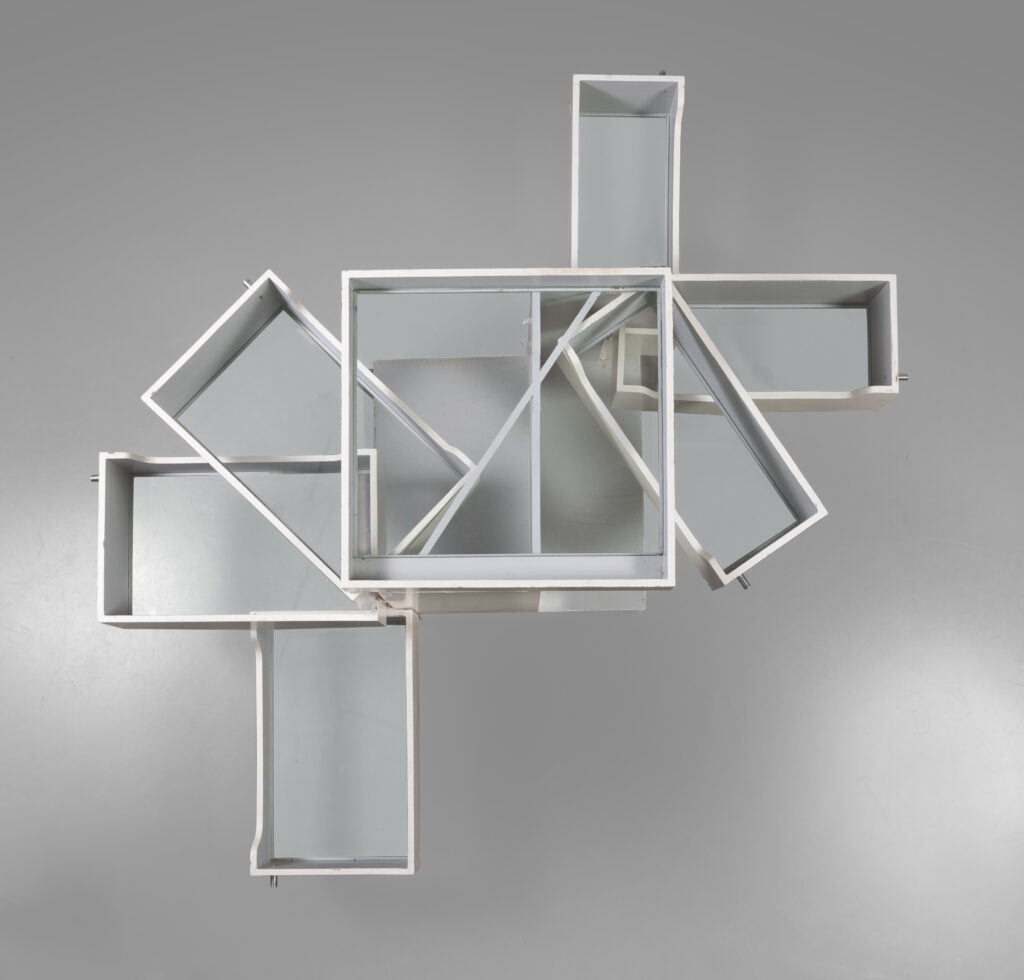
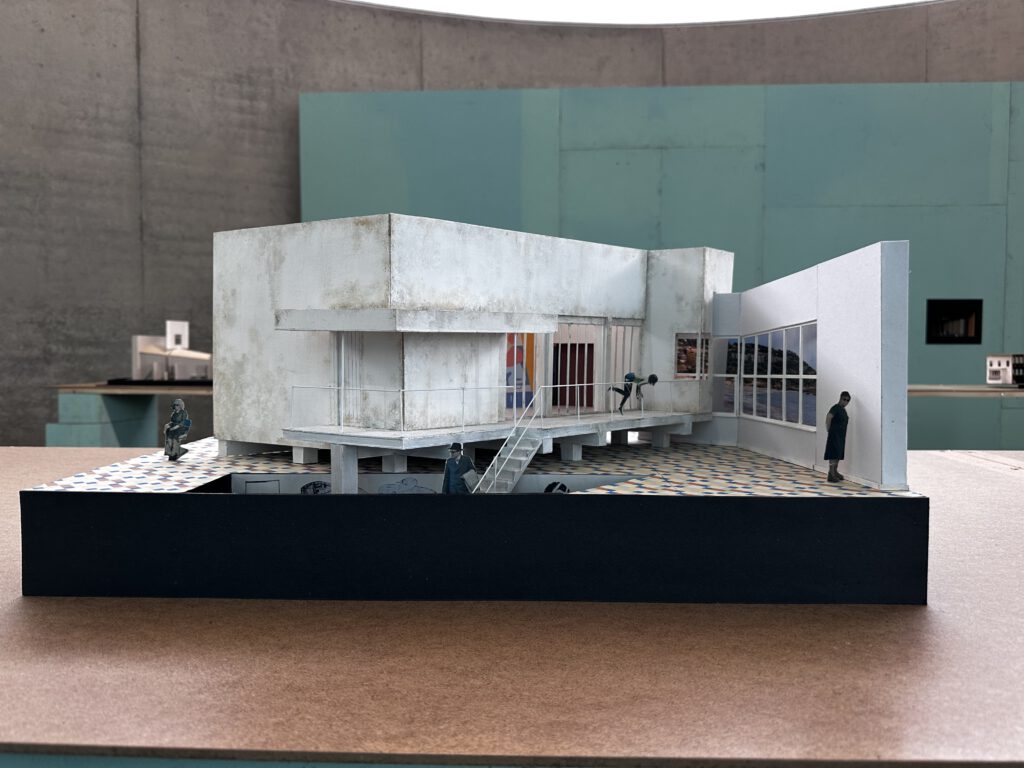
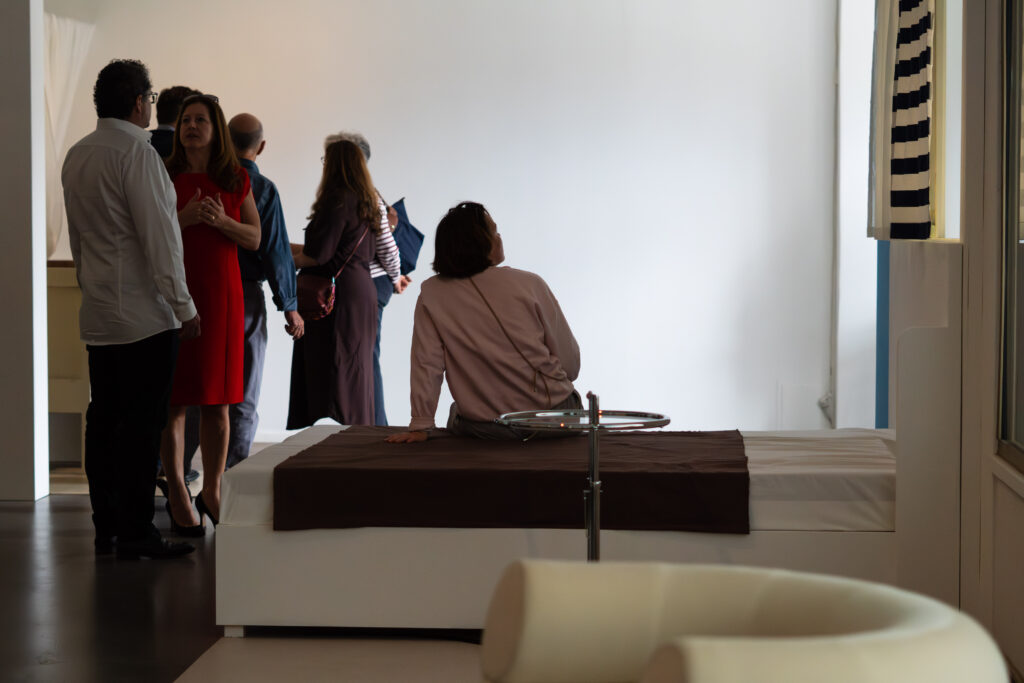
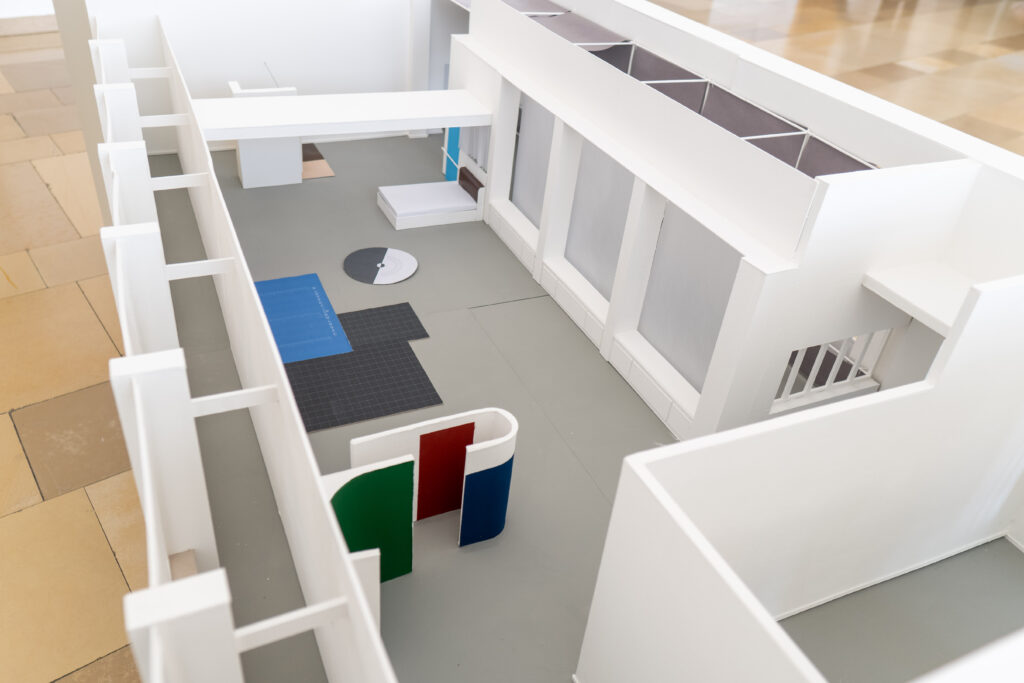
As part of the mpk exhibition series honoring outstanding women in modernism—“Golden Girls”—Gray’s creative universe comes to life: selected design objects, sketches, and drawings are presented within an exhibition design conceived by the Department of Architecture at RPTU. Spatial figures and design fragments allude to Gray’s spatial concepts, draw attention to spatial features, and interpret the work of the designer and architect.
Anna Viebrock, an internationally acclaimed and renowned set and costume designer as well as director, brought Gray’s House E.1027 to the stage in 2012 as an intertwining of space and narrative. For this exhibition, she is now developing a walk-through installation for the mpk that combines architectural precision with scenographic intensity and finely composed spatial dramaturgy, thereby bringing Eileen Gray’s vision for House E.1027 to life in a poetic way.
The exhibition “Eileen Gray” is the third installment in the “Golden Girls” exhibition series, which is dedicated to the extraordinary work of women in the applied arts. Following goldsmith and silversmith Elisabeth Treskow and ceramicist Vally Wieselthier, this installment focuses on Eileen Gray’s design and architecture. The series reflects the exceptional innovative spirit and determination of women who were often the first to assert themselves in male-dominated professions and patriarchal structures, thereby paving the way for those who followed.